Seasonal Fluctuations in Virtual Table Game Participation Tied to European League Schedules
Alex Koch · Oct 4, 2026
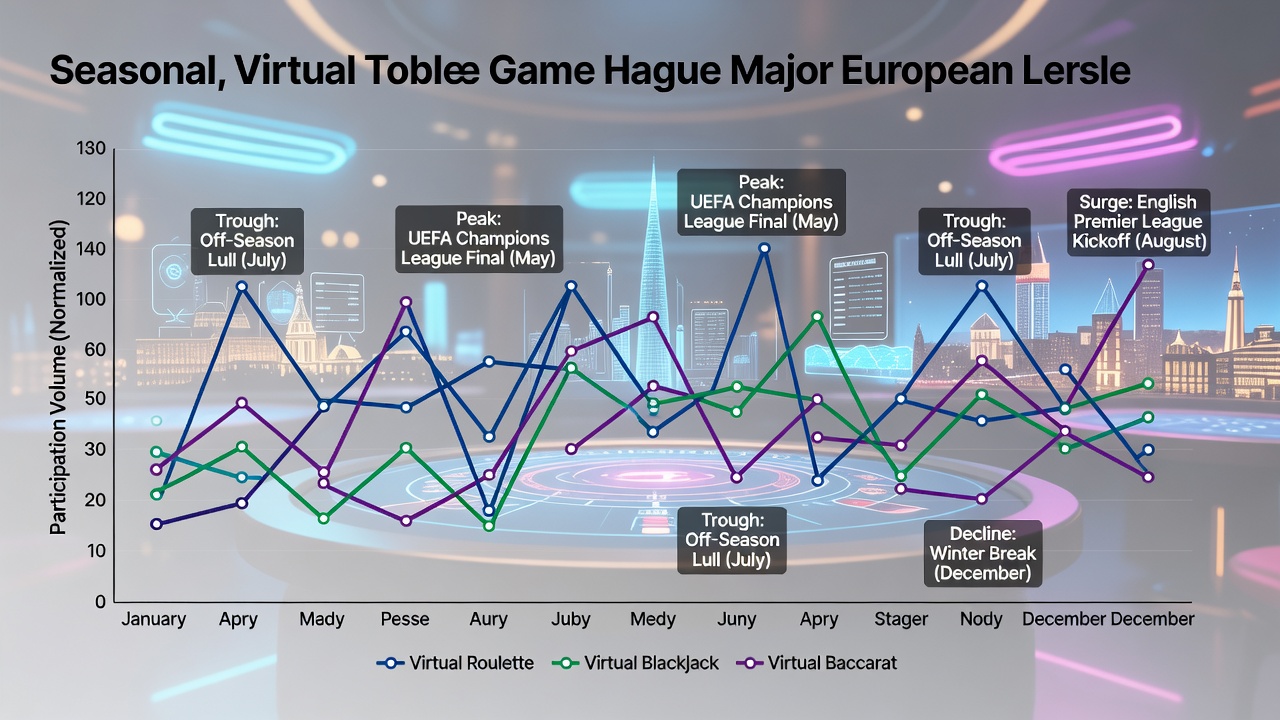
Seasonal Fluctuations in Virtual Table Game Participation Tied to European League Schedules
European football leagues create distinct rhythms that influence participation in virtual table games on regulated platforms, with data from multiple operators revealing measurable shifts during match periods and international breaks. Researchers tracking user logs across several jurisdictions have documented how activity in games such as blackjack, roulette and baccarat rises or falls in relation to fixtures in leagues including the Premier League, La Liga and Serie A, and these patterns repeat across years with only minor variations tied to scheduling changes.
League Calendars and Daily Activity Patterns
Matches scheduled on weekends and midweek evenings draw attention away from table game sessions in the hours immediately before and during play, while activity often climbs once final whistles sound and viewers seek alternative entertainment. Data compiled by platform analytics teams shows consistent drops of 12 to 18 percent in table game rounds during prime-time football windows, followed by rebounds that can exceed baseline levels for two to three hours afterward. Observers note that these rebounds appear strongest on platforms offering live dealer options, where players transition directly from match streams to table sessions without leaving the same application.
International breaks produce the opposite effect. When club competitions pause for national team windows, participation in virtual table games tends to increase steadily over several consecutive days. One analysis covering the 2024 and 2025 seasons found average daily session lengths extended by roughly 22 minutes during such breaks, a change attributed to reduced scheduling conflicts for regular viewers who otherwise divide attention between football broadcasts and gaming.
October 2026 Scheduling Context
October 2026 falls within the early phase of the 2026-2027 domestic campaigns and coincides with Champions League group stage matches that begin in mid-September. Platform operators have already prepared capacity adjustments for expected volume changes around the October international break, which runs from 5 to 13 October. Historical records indicate that table game traffic typically rises between 9 and 15 percent during this specific window, with the largest gains recorded on Nordic-licensed sites that draw users from markets where football viewership overlaps heavily with online casino usage.
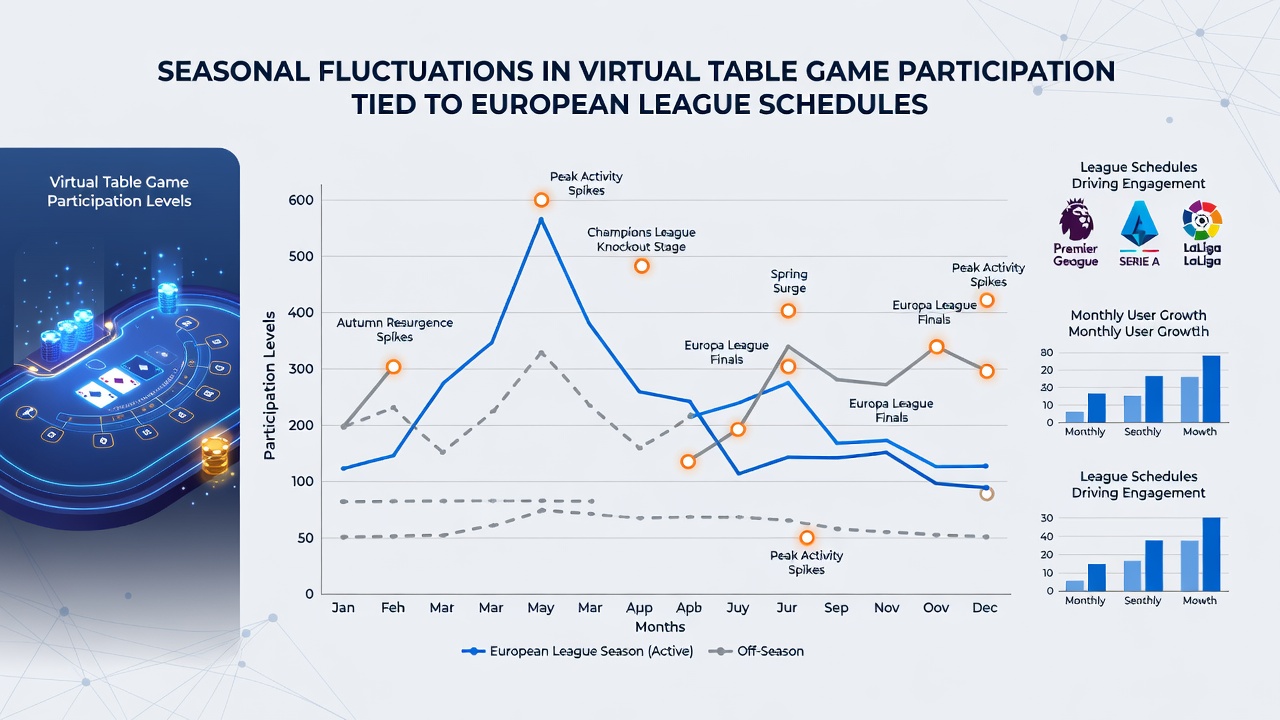
Regional Variations Across European Markets
Patterns differ by country because of local league prominence and regulatory frameworks. In markets where domestic leagues command intense loyalty, such as Spain and Italy, table game participation dips more sharply during high-profile matches yet recovers faster once results are known. In contrast, data from German and Dutch platforms shows steadier but smaller fluctuations, partly because users spread activity across a wider range of sports and entertainment options. Maltese and Estonian operators, which serve pan-European audiences, report aggregated trends that smooth out these national differences and produce clearer seasonal signals tied to pan-European competitions like the Champions League and Europa League.
Regulatory filings submitted to the European Gaming and Betting Association contain aggregated figures that confirm these cross-border consistencies while highlighting the influence of individual league calendars. Separate academic work from institutions in Scandinavia has examined the same datasets and reached parallel conclusions about the timing and magnitude of shifts.
Technological and Promotional Factors
Operators respond to these predictable movements by adjusting promotional calendars and server resources. Bonus offers on table games frequently appear during international breaks, while live-stream integrations that combine football commentary with table game play become more prominent on match days. These adjustments reflect observed user behavior rather than speculation, and platform reports submitted to oversight bodies document corresponding changes in traffic and revenue attribution.
Real-time dashboards used by compliance teams track minute-by-minute participation so that any deviation from expected seasonal norms triggers alerts. Such monitoring helps maintain service stability when sudden spikes occur after major matches or during extended breaks in the fixture list.
Conclusion
European league schedules generate recurring and quantifiable effects on virtual table game participation that operators and researchers have tracked across multiple seasons. October 2026 will follow the established pattern, with an anticipated rise in activity during the international window and relative stability around domestic and European club fixtures. Continued collection of anonymized usage data will allow further refinement of these correlations as new scheduling cycles unfold.